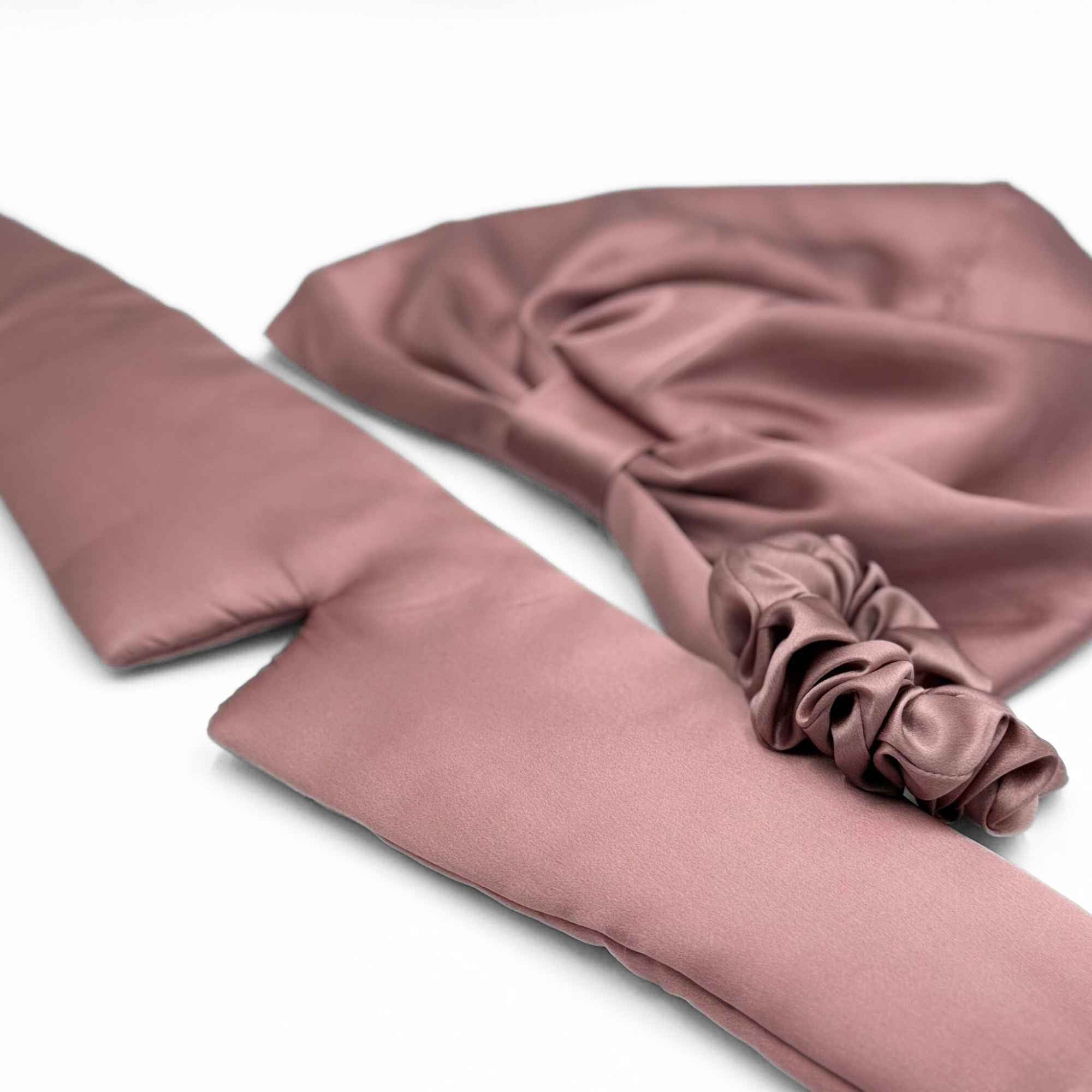
Wake up with smoother, healthier hair
If you have long hair, you already know the routine.
You go to bed with it soft, brushed, perfectly fine… and wake up to knots, frizz, and the impending wrestling match to get it half way decent.
But it's not you.
It's what you're doing in the night.
That's friction, baby.

Why does hair tangle so much overnight?
While you sleep, your hair is constantly moving.
Turning your head, shifting positions, even the texture of your pillowcase — it all creates friction against the hair.
Over time, this friction:
- Roughens the hair cuticle
- Causes strands to catch and knot together
- Leads to breakage and split ends
- Creates frizz and dryness
Cotton pillowcases, in particular, are quite abrasive.
They also absorb moisture, leaving hair dehydrated by morning.
So even if your hair is healthy, your sleep environment might be working against it.

Switch to a Silk Pillowcase
This is the simplest change — and the one that makes the biggest difference.
Unlike cotton, silk has a smooth, low-friction surface.
Hair glides over it rather than catching and tangling.
Sleeping on a Mulberry silk pillowcase helps to:
- Reduce knots and matting
- Maintain smoother strands overnight
- Prevent unnecessary breakage
- Retain moisture in the hair
It’s essentially creating a gentler environment for your hair to rest in.
Tie Your Hair Loosely Before Bed
Leaving long hair completely loose can make tangling worse — especially if you move a lot in your sleep.
Instead, try:
- A loose braid
- A low, soft bun
- A gentle twist secured at the nape
Loose being the operative word.
Anything too tight can cause tension and breakage.

Use a Silk Scrunchie - not a Hair Elastic
If you’re tying your hair up, what you use matters just as much as how you tie it.
Traditional hair ties can:
- Pull on strands
- Create creases
- Cause breakage where the hair is secured
A silk scrunchie reduces that tension and glides against the hair instead of gripping it harshly.

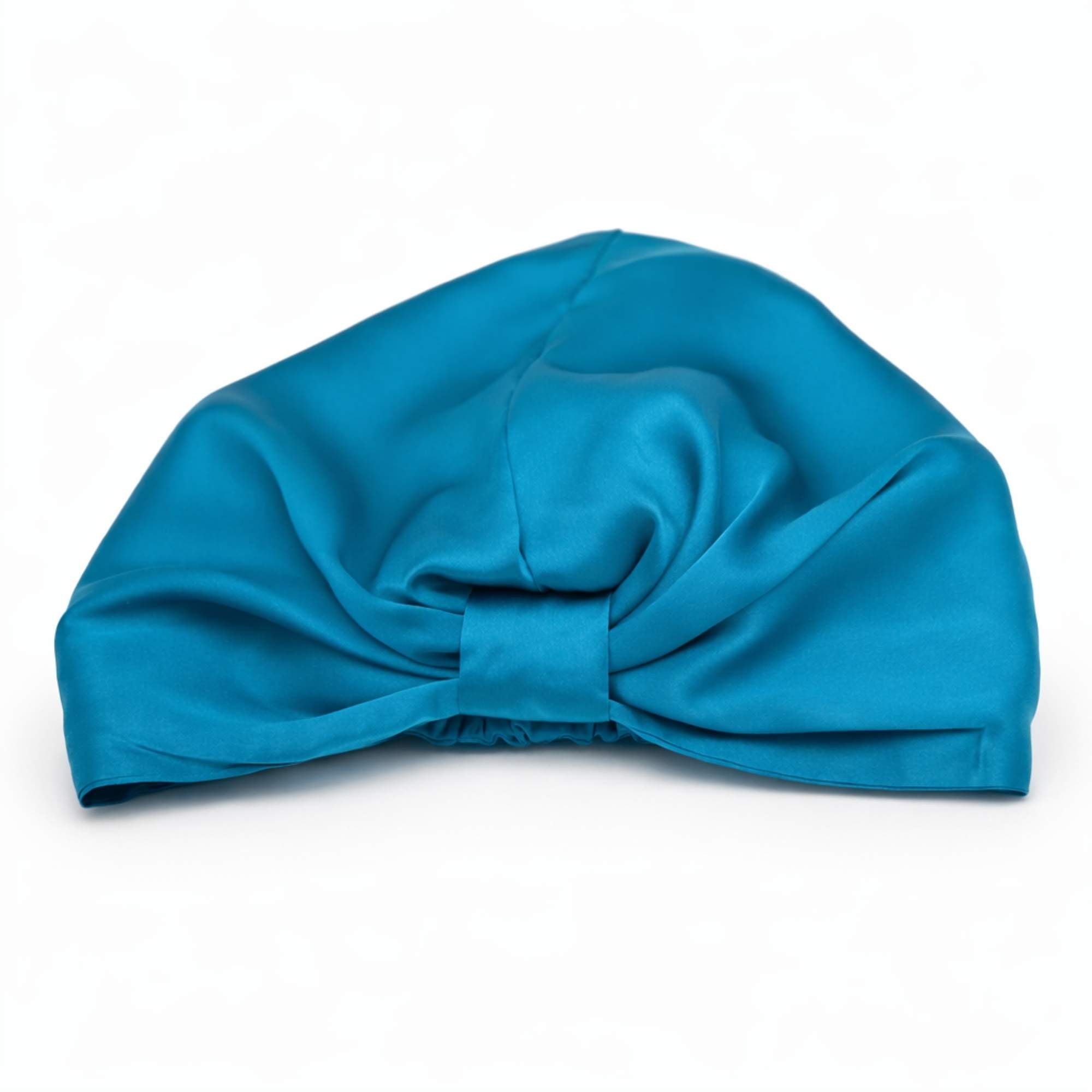
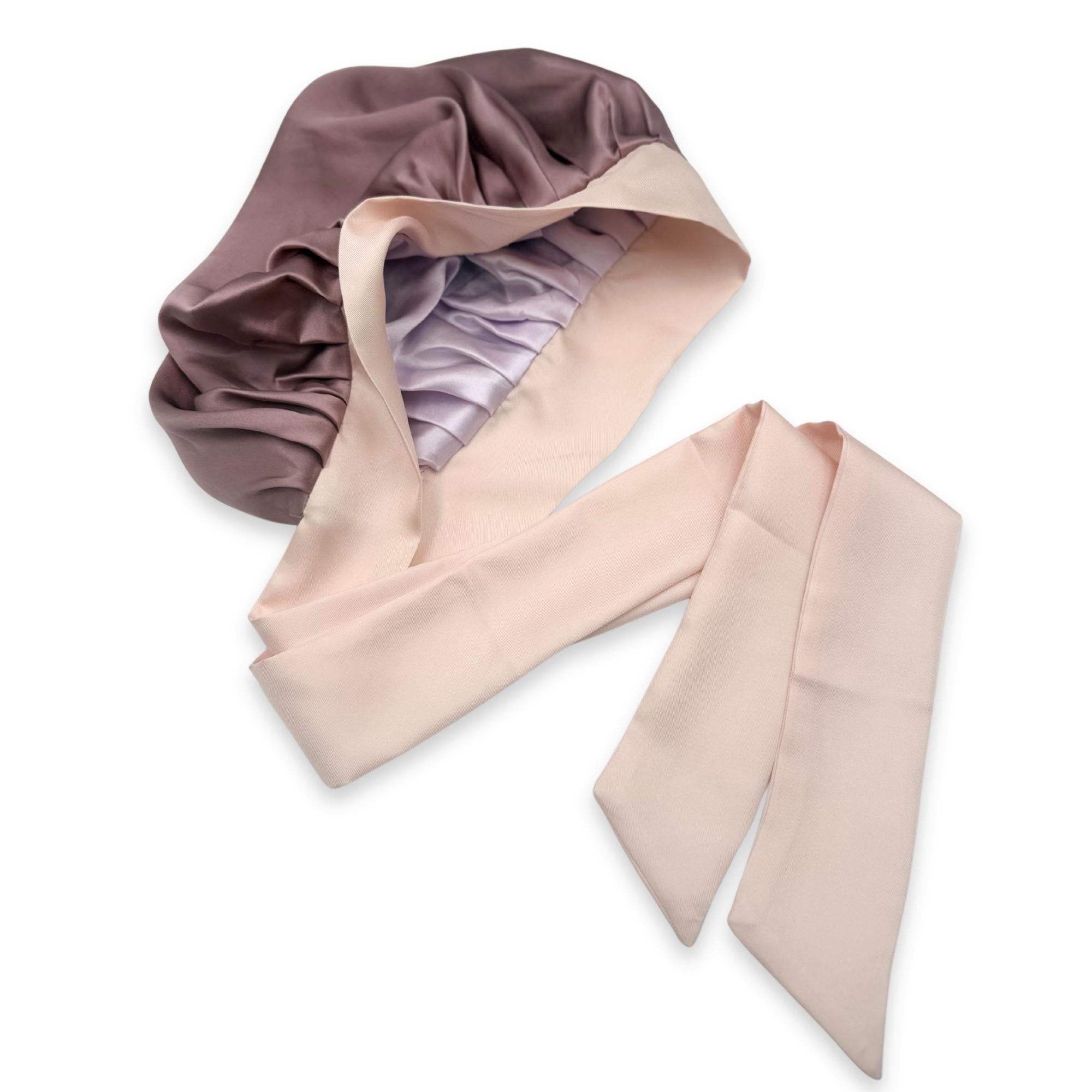
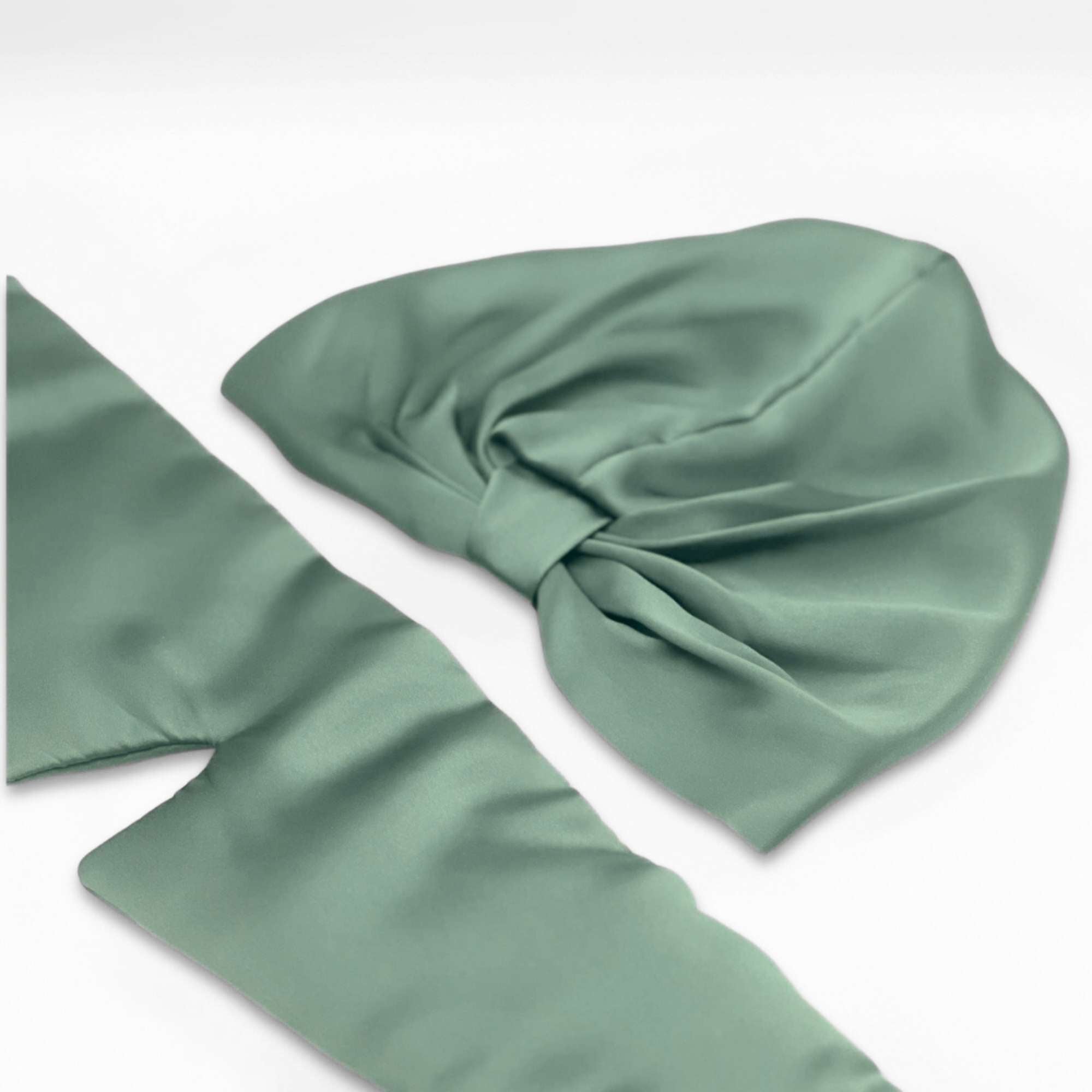
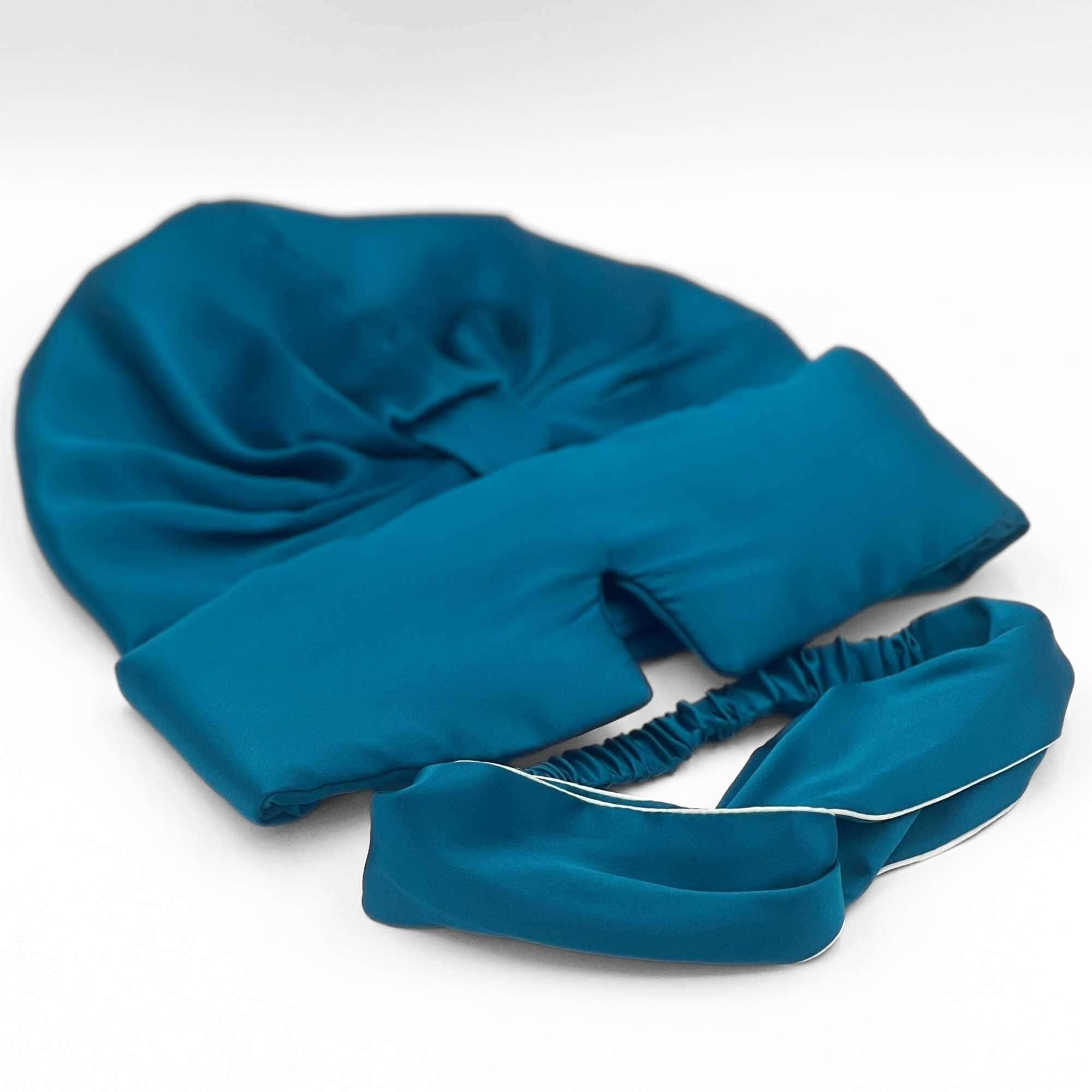
Consider a Silk Bonnet
If your hair is particularly long, thick, or prone to tangling, a silk bonnet adds another layer of protection.
It keeps your hair contained and reduces movement throughout the night, while the silk lining prevents friction.
This is especially useful if:
- You toss and turn a lot
- Your hair tangles easily
- You’re trying to preserve a blow dry or style
Brush Gently Before Bed
It sounds obvious, but it makes a difference.
Use a gentle brush to remove any existing knots before you sleep.
Starting with smooth, detangled hair reduces the chances of it matting overnight.
Keep Hair Hydrated
Dry hair tangles more easily — it’s rougher and more prone to catching.
A small amount of lightweight oil or leave-in conditioner on the ends can help keep hair smooth and manageable while you sleep.
The Steady Difference Silk Makes
Silk isn’t a quick fix — it’s a cumulative effect.
Night after night, it reduces the small, invisible damage caused by friction.
Less pulling, less roughness, fewer knots.
And eventually, that shows up as:
- Smoother mornings
- Easier brushing
- Healthier-looking lengths
Healthy hair doesn't happen over night.
It is the effect of proper care night after night.
If you’re investing time into growing and caring for long hair, your nighttime routine matters more than you think.
Because eight hours of friction, every night, adds up.
And sometimes the simplest change — like switching to silk — is the one that transforms everything.